Interview Chapters
Browse through all interview segments and chapters. Find specific topics and moments across our entire archive.
Introduction to FOSSDA
Introduction to FOSSDA and Open Source
Heather Meeker introduces the FOSSDA digital archive, emphasizing the profound impact of open source software. She highlights how the movement was driven by individuals rather than governments or corporations.
The Origins and Growth of Open Source
Open source began as an effort to make software more accessible. Meeker explains how open-source software is now an integral part of daily life, thanks to the dedication of early contributors.
Capturing Personal Stories of Open Source Pioneers
Meeker discusses the importance of documenting the personal stories behind the open-source movement. She hopes these stories will help future generations understand its origins and significance.
Heather Meeker's Personal Journey into Technology
Meeker shares her background as a computer programmer in the 1980s, working with compiled BASIC. She reflects on how software development was different back then and how she entered the field without formal education in programming.
Transition from Programming to Law
Meeker describes her shift from programming to law, discovering the emerging field of software licensing. She recalls how open-source licenses were initially misunderstood by legal professionals.
Pioneering Open Source Legal Work
Faced with skepticism about open source, Meeker took an innovative approach by developing legal frameworks for it. She likens legal work to solving complex puzzles, much like programming.
Passion for Open Source and Closing Remarks
Meeker reflects on her fulfilling career in open-source law and the intellectual engagement it provides. She encourages listeners to explore the archive and consider how individuals can drive global change.
Deb Goodkin
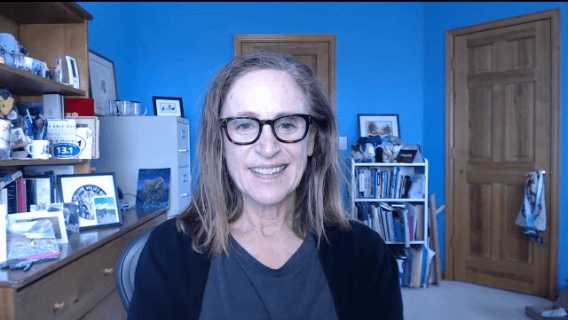
Introduction and Early Life
Karen Herman introduces the interview and welcomes Deb Goodkin. Deb shares details about her birth in Hollywood, California, in 1961, and her childhood growing up in Southern California, including Los Angeles and San Diego.
Family and Childhood Interests
Deb describes her parents' careers—her father in real estate and her mother as a bacteriologist. She recalls her outdoor-oriented childhood, influenced by having two older brothers, and her love for activities like backpacking and filmmaking with her family.
Early Career Aspirations
Deb discusses her broad range of career interests as a child, from astronaut to veterinarian, and how her parents encouraged her to pursue any field she wanted. She mentions not being exposed to computers until college.
College Education and Introduction to Computing
Deb explains her college journey at UC San Diego, where she initially considered business before discovering her strength in math and shifting to computer engineering. She later pursued a master’s degree in electrical engineering at Santa Clara University.
Transition to Technology and IBM Career
Deb shares how she joined IBM in 1984, initially focusing on storage and firmware development. She describes the structured approach IBM used for software development and how it shaped her technical skills.
Leaving IBM for the Silicon Valley Boom
Deb talks about the culture at IBM, where employees typically stayed long-term, and her decision to leave for better opportunities in Silicon Valley. She joined Macstor, marking her first foray into management.
Working with Major Tech Companies
Deb details her role at Macstor and later Sirius Logic, working closely with companies like Sun Microsystems, HP, and NeXT. She describes the collaborative nature of these partnerships.
Moving to Colorado and Becoming a Consultant
Seeking more flexibility, Deb moved to Colorado and worked at various storage companies before transitioning into freelance consulting, enjoying the autonomy and work-life balance.
Introduction to the FreeBSD Foundation
A friend connected Deb with Justin Gibbs, founder of the FreeBSD Foundation, leading her to take on the role of running the nonprofit. She initially knew little about FreeBSD or open source.
Learning the Open Source Landscape
Deb discusses her introduction to open source, her initial lack of familiarity with it, and the challenges of managing a nonprofit while learning about the FreeBSD community and its needs.
FreeBSD Foundation’s Mission and Growth
Deb explains the relationship between the FreeBSD Foundation and the FreeBSD Project, their separate roles, and how the foundation provides financial and technical support to the community.
Advocating for FreeBSD and Open Source
Deb outlines how the foundation promotes FreeBSD through conferences, documentation, and outreach. She explains FreeBSD’s presence in widely used technologies like Netflix and PlayStation.
Funding and Supporting Open Source Development
Deb describes the process for funding FreeBSD projects, how companies contribute, and how the foundation evaluates proposals to enhance the operating system.
Open Source Community Culture and Challenges
Deb reflects on the open source community’s collaborative nature, the challenge of attracting and retaining volunteers, and the importance of diverse contributions beyond just coding.
International Collaboration and Impact of COVID-19
Deb discusses FreeBSD’s international community, cultural diversity, and the impact of COVID-19 on operations, including transitioning internships and events online.
Legacy Contributors and FreeBSD’s 30-Year History
Deb highlights key figures in FreeBSD’s history, including Kirk McKusick and Jordan Hubbard, and how the project has evolved since its founding in 1993.
Growth of the FreeBSD Foundation
Deb describes how the foundation has expanded from a one-person effort to a team of dedicated professionals, increasing funding and outreach efforts to support FreeBSD’s growth.
Leadership Style and Challenges in Tech
Deb reflects on her leadership style, emphasizing collaboration and work-life balance. She discusses challenges she faced as a woman in a male-dominated industry.
Greatest Achievements and Mentorship
Deb considers her biggest achievements, focusing on mentoring young women in tech and promoting inclusivity in STEM fields rather than just technical accomplishments.
The Importance of Documenting History
Deb emphasizes the significance of preserving historical records in tech, ensuring accuracy, and learning from past developments to shape the future.
Message to Future Generations
Deb shares advice for her future great-grandchildren, encouraging perseverance, learning from failures, and pursuing passions despite challenges.
Final Thoughts and Looking Ahead
Deb reflects on her career journey, balancing work and family, and her excitement about future opportunities. She expresses gratitude for the interview and the chance to share her story.

Heather Meeker
Introduction and Background
Zack Ellis introduces Heather Meeker, who provides a brief overview of her career as a lawyer and venture capitalist specializing in open source software.
Early Career and Transition to Law
Heather discusses her early career as a computer programmer in the 1980s and her transition to law, emphasizing the natural evolution from legal work to business counseling.
Introduction to Computers and Programming
Heather shares how her father, an early computer programmer, introduced her to computers at a young age and sparked her interest in programming.
Passion for Programming
Heather describes her love for programming, highlighting the sense of control and creativity it offered, as well as its absorbing nature.
Career Shifts and Path to Law
Heather recounts her journey from programming to music and eventually to law, explaining how her diverse background led her to specialize in technology and open source law.
Similarities Between Programming and Legal Work
Heather compares programming and legal work, noting similarities in rule-writing and problem-solving, but highlighting differences in human interaction and analysis.
Early Experiences in Open Source Law
Heather discusses her early experiences in open source law, including the challenges of navigating a new legal area and the lack of existing resources.
First Encounter with Open Source Licenses
Heather recalls her first encounter with open source licenses and the process of developing legal analysis in an area with little existing guidance.
Challenges in Open Source Legal Analysis
Heather explains the difficulties in analyzing open source licenses without established legal precedents and the need to reason from first principles.
Development of Open Source Legal Practices
Heather describes the evolution of open source legal practices, including the formation of communities and the development of best practices.
Stakeholders in the Open Source Community
Heather outlines the various stakeholders she encountered in the open source community, including developers, lawyers, and business people.
Open Source as a Transformative Force
Heather discusses her early recognition of open source as a transformative force in the technology industry and its unique licensing paradigm.
Impact of Open Source on Business and Collaboration
Heather explains how open source has changed the technology industry, fostering collaboration between companies and altering business practices.
Addressing Client Fears about Open Source
Heather recounts her experiences in helping clients overcome fears about open source licensing and her unique approach as a lawyer in reducing perceived risks.
Career Challenges and Growth
Heather discusses career challenges, including changing law firms and the lack of recognition for open source expertise early in her career.
Finding the Right Professional Environment
Heather shares her experience finding a law firm that valued her open source expertise and provided the freedom to develop her practice.
Transition to Venture Capital
Heather explains her unexpected transition into venture capital, sparked by her involvement in drafting the controversial Commons Clause license.
Reflections on Career without Open Source
Heather contemplates where her career might have led without the emergence of open source software.
Google vs. Oracle Case
Heather discusses her involvement in the landmark Google vs. Oracle case and its significance for the software industry.
Impact of Open Source on the World
Heather reflects on the global impact of open source software, including its effects on developing countries and business collaboration.
Personal Pride and Closing Thoughts
Heather expresses her pride in sharing knowledge and teaching others throughout her career, emphasizing the importance of giving back to the community.

Bruce Perens
Introduction to Bruce Perens
Heather Meeker introduces Bruce Perens, highlighting his significant contributions to the Open Source movement and his various achievements in technology and software development.
The Genesis of Open Source Involvement
Bruce Perens discusses his entry into the open source world, influenced by the work of Richard Stallman and the need for a marketing strategy to promote free software beyond the programmer community.
Philosophical and Practical Aspects of Open Source
Perens elaborates on his philosophy towards open source development and its impact on the software industry, discussing the success of open source adoption and his personal aspirations for software freedom.
Open Source Success and Challenges
Discussing the overwhelming success of open source, Perens also touches on the ongoing challenges and his dissatisfaction with the exploitation of open source in the industry, indicating his commitment to finding solutions.
Early Open Source Development and Motivation
Bruce reflects on his early involvement in open source development, his motivations, and his time as a Unix systems programmer, laying the groundwork for his later significant contributions.
Journey with Unix and Transition to Pixar
Perens shares his career trajectory from working in a computer graphics lab to joining Pixar, discussing the evolution of his interest and work in Unix systems.
Linux and Open Source Distributions
The discussion moves to the early days of Linux, the formation of distributions like Debian, and Perens' role in these foundational movements within the open source community.
Debian Project Leadership and Community Building
Bruce describes his experience leading the Debian project, the challenges and successes of collaborating with a distributed team of developers, and the innovative development of a working operating system.
The Creation and Impact of BusyBox
Perens talks about creating BusyBox, a key utility in Linux systems, detailing its development, the rationale behind it, and its widespread impact across various technologies.
GPL Licensing and Collaborative Development
Explaining the principles of GPL licensing, Bruce reflects on the collaborative nature of open source development and the expansion of BusyBox through community contributions.
Embedded Systems and the Evolution of BusyBox
The conversation shifts to the role of BusyBox in embedded systems and its evolution into a staple component in numerous devices and technologies.
Personal Satisfaction and Impact of Open Source Work
Bruce shares the personal fulfillment he derives from the widespread use and impact of his open source work, emphasizing the non-monetary rewards of contributing to the community.
Notoriety and Opportunities from Open Source
Discussing the opportunities and recognition he received from his open source contributions, Perens reflects on how his work led to various consulting roles and speaking engagements.
Reflections on Career at Pixar and Transition
Perens provides insights into his time at Pixar, his decision to leave, and how his open source work influenced his career trajectory and personal fulfillment.
Open Source Advocacy and Successes
Highlighting the unexpected successes and the changing perceptions of open source over the years, Bruce reflects on the significant shifts in industry attitudes towards Linux and open source software.
Validation of Open Source in the Tech Industry
Bruce recounts the moment when open source was embraced by major industry players, marking a significant validation of the open source model and its sustainable impact on technology.
Community Collaboration and its Challenges
Delving into the dynamics of community collaboration, Perens discusses the successes and challenges of working with a distributed team of developers in the open source space.
Personal Aspect of Open Source Collaboration
Reflecting on the personal and social aspects of collaboration in the open source community, Bruce shares his experiences and how certain characteristics of developers influence collaborative efforts.
Closing Thoughts and Encouragement
As the conversation concludes, Bruce shares his final thoughts, emphasizing the importance of pursuing passions and the potential of internet collaboration to achieve extraordinary goals.

Larry Augustin
Introduction
Elisabetta Mori introduces the Free and Open Source Stories Digital Archive Foundation (FOSSDA) and herself as a historian of computing interviewing Larry Augustin, an entrepreneur, investor, and important figure in the open software movement.
Background and Early Life
Larry Augustin describes his early life in Dayton, Ohio, where he grew up in a family with a farming and military background. He discusses how his upbringing and his father's influence led him to pursue a career in engineering, particularly influenced by summers spent working on the family farm.
Influential People and Education
Augustin reflects on the influential figures in his early life, including his parents and teachers, and discusses his educational journey through public schools and eventually the University of Notre Dame, where he studied electrical engineering.
Early Academic and Professional Experiences
Larry shares his initial experiences with computers and programming during high school and college, including his early interactions with COBOL programming and his involvement in setting up the first personal computer lab at Notre Dame.
Advanced Education and Early Career
Discussing his postgraduate journey, Larry talks about receiving a fellowship from Bell Labs, moving to Stanford for his master's degree, and his work in electronic design automation, which led to a significant contribution in re-microcoding.
Transition to Entrepreneurship
Augustin describes the transition from academia to entrepreneurship, founding VA Research (later VA Linux), and the evolution of his business from a side project to a major player in the technology sector.
Involvement with Linux and Open Source
Larry details his introduction to Linux and the open source movement, his early contributions to system administration at Stanford, and the beginnings of his company's shift towards supporting Linux systems.
VA Research and the Birth of VA Linux
The discussion covers the origins of VA Linux, the choice of company name, and the growth of the business through the late 1990s, including the creation of SourceForge.
Challenges and Growth
Larry talks about the challenges faced while scaling VA Linux, the decision to focus full-time on the venture, and partnerships that helped sustain the business.
VA Linux IPO and the Tech Boom
Augustin recalls the VA Linux initial public offering (IPO) in 1999, which was one of the most successful in history, and discusses the impact of the tech boom on his company.
Personal Reflections and Future Directions
Larry shares personal stories from his career, including his first meeting with Linus Torvalds, and discusses his thoughts on the future of open source and his current role in the tech community.
Career Transition to Venture Capital and Angel Investing
Discussing his move from CEO to venture capital, Larry explains his motivations and experiences in supporting new startups and the impact of open source software on the business landscape.
Reflections on Leadership and Legacy
Augustin reflects on his leadership at SugarCRM, his tenure there, and the company's growth under his direction, followed by his move to Amazon Web Services and subsequent return to angel investing.
Advice for Aspiring Entrepreneurs
Larry provides advice for aspiring entrepreneurs and reflects on the importance of pursuing passions and learning from experiences.
Roger Dannenberg
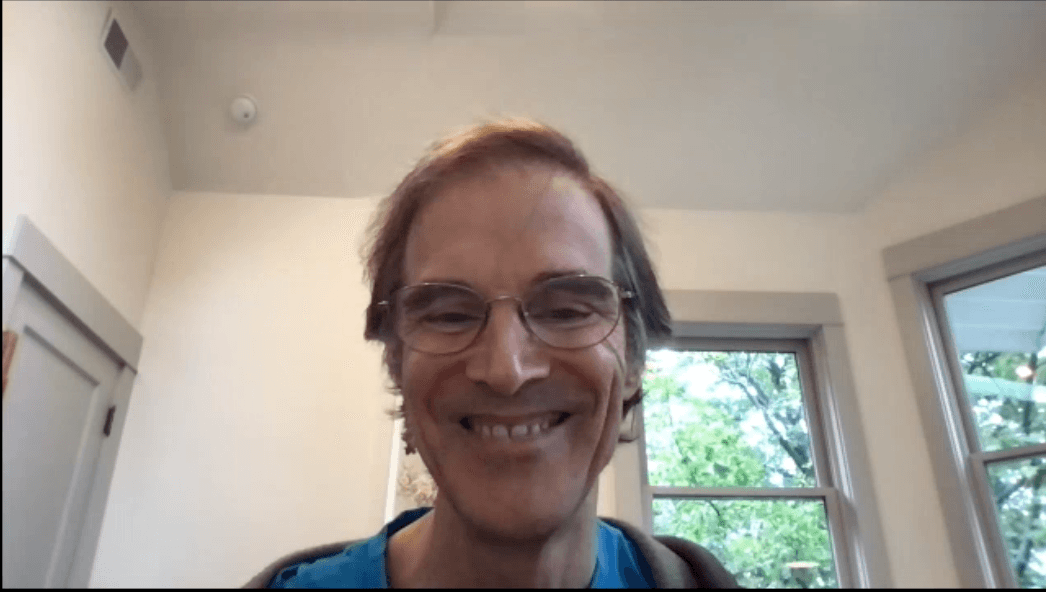
Introduction to Roger Dannenberg
The speaker introduces Roger Dannenberg, a professor at Carnegie Mellon University with a unique combination of expertise in computer science, art, and music. Roger is also known for his roles as a trumpeter, composer, and notably, as the co-creator of the popular open-source digital audio editor, Audacity.
The Genesis of Audacity
The speaker discusses the inception of Audacity, which originated from a research project focused on developing algorithms for computers to recognize hummed or sung tunes. The need for a tool to visualize audio data and analyze pitch recognition failures led to the creation of Audacity, which was intended to be a general-purpose tool for audio and music research.
Choosing the Open Source Path
The decision to make Audacity an open-source project was influenced by Dominic Mazzoni, a graduate student who played a significant role in its development. Dominic suggested the integration of basic editing functions into the tool, which was initially meant for data display. The speaker credits Dominic with the idea of using the GNU license and organizing the project as an open-source distribution.
Open Source and Academic Parallels
The speaker reflects on the parallels between open-source software and the academic world, where the primary rewards are recognition and contribution to the field rather than financial gain. He notes that in academia, publishing is not for profit, and this ethos extends to the development of software, where the focus is on sharing and experimentation rather than selling.
Audacity's Growth and Simplicity
The speaker learned from Audacity's development that simplicity and ease of use were key factors in its widespread adoption. He acknowledges Dominic's insistence on a user-friendly interface, which set Audacity apart from more complex studio software. The speaker also discusses the advantage of open-source projects in focusing on user needs without the pressure to constantly add new features for profit.
Community Building and Governance Challenges
Despite Audacity's success, the speaker identifies challenges in building a community and governance within an open-source project. He discusses the difficulty of encouraging collaboration rather than forking, the dynamics between core teams and external contributors, and the importance of leadership in maintaining the project's direction and focus.
Monetization and Sustainability of Open Source
The speaker concludes by highlighting the potential for open-source projects to generate income, which can support the project's sustainability. He mentions the possibilities of consulting, adapting software for commercial use, and generating revenue through advertising on download pages. This income can help cover costs and allow for investment in the project's development.

Bart Decrem
Introduction and Background
Karen Herman introduces the interview with Bart Decrem for the Free and Open Source Stories Digital Archive Foundation. Bart jokes about the date and reminisces about his birth in Belgium in 1967. He describes his childhood as a tinkerer, drawn to pirate radio at age 13.
Early Interest in Pirate Radio
Bart explains his early involvement in underground radio, where independent stations defied government regulations. He describes making a magazine for a radio station and eventually becoming an on-air personality at 13.
Family Background and Early Education
Bart discusses his middle-class upbringing and how his father's conventional career path influenced him to seek an alternative route. He attended an international school, which opened his eyes to global perspectives.
Moving to the United States and Discovering Silicon Valley
After being expelled from Catholic school, Bart attended a French university in Brussels and studied political science. A trip to California sparked his interest in Silicon Valley, leading him to Stanford Law School.
Early Exposure to Macintosh Computers
Bart describes his first experiences with Macintosh computers in Brussels and later in East Palo Alto, where Andy Hertzfeld provided early Mac models for a community initiative.
Finding Purpose in Social Entrepreneurship
While considering a career in diplomacy, Bart interned at McKinsey but found his calling in social impact work. He received a fellowship from the Echoing Green Foundation to bridge the digital divide in East Palo Alto.
Founding Plugged In
Bart co-founded Plugged In, a project providing technology access to underserved communities. The initiative included teaching kids storytelling tools, launching a teen-run web design business, and creating job-search resources.
The Impact of Plugged In on Bart’s Career
Bart reflects on how Plugged In shaped his belief in technology's power to improve lives. He emphasizes the importance of taking action rather than passively discussing issues.
Co-Founding Eazel and the Push for User-Friendly Linux
With support from Andy Hertzfeld, Bart co-founded Eazel to make Linux more user-friendly. He describes the team, their goal of creating an alternative to Microsoft, and the broader vision of open-source software.
The Challenge of Monetizing Open Source
Eazel struggled to create a profitable business model. Bart discusses the initial ideas of subscriptions and web browser monetization, which later inspired Firefox’s revenue model.
The Failure of Eazel
Eazel collapsed during the dot-com crash of 2000. Bart explains the difficulty of making Linux truly user-friendly and how the last mile of usability often defines success.
The GNOME Foundation and Open Source Governance
Bart helped establish the GNOME Foundation, structuring it as one of the early open-source governance models. He reflects on his role in organizing the foundation’s leadership.
Joining the Mozilla Foundation and the Birth of Firefox
Mitch Kapor invited Bart to help launch the Mozilla Foundation. He worked on press releases, early fundraising, and ultimately became involved in the launch of Firefox.
Leading the Firefox Launch
Bart played a major role in branding and marketing Firefox. He explains how the name "Firefox" was chosen and how the community-driven marketing campaign propelled its adoption.
Competing with Internet Explorer and Firefox’s Growth
Firefox gained traction as a secure alternative to Internet Explorer, solving real user problems like spyware and pop-ups. Bart describes how word-of-mouth marketing played a crucial role.
Securing Key Partnerships with Google and Yahoo
Bart helped negotiate Firefox’s search monetization deal with Google, which became a major revenue source. He also worked on other corporate partnerships.
Leaving Mozilla and Founding Flock
Bart left Mozilla shortly after Firefox 1.0 to start Flock, a social web browser based on Firefox’s codebase. He reflects on his entrepreneurial drive and impatience with large organizations.
The Challenges and Failure of Flock
Despite innovative ideas, Flock failed to gain traction. Bart was eventually fired by investors and learned key lessons about product market fit and execution.
Founding Tapulous and the Rise of Tap Tap Revenge
Inspired by the iPhone’s potential, Bart co-founded Tapulous and acquired a jailbreak game called Tap Tap Revolution. It became the first big hit on the App Store.
Tap Tap Revenge’s Success and Shift to Licensed Music
Tapulous refined Tap Tap Revenge and introduced licensed music, creating one of the most successful mobile games. Bart discusses adapting the game for the App Store.
Disney Acquires Tapulous and Where’s My Water
Disney acquired Tapulous, and Bart led mobile gaming at the company. He helped launch "Where’s My Water," a massive success with a billion users.
Leaving Disney and Founding The Hobby
Bart left Disney as free-to-play gaming took over. He started The Hobby, an experimental app incubator, but struggled to replicate his previous successes.
Returning to Mozilla with Mozilla Builders
Bart rejoined Mozilla to launch Mozilla Builders, an incubator for open-source projects aimed at "fixing the internet." He sought out mission-driven entrepreneurs.
Co-Founding Block Block and Exploring NFTs
Bart entered the blockchain space with Block Block, working on digital art collectives and NFT projects. However, he grew disillusioned with crypto’s speculative nature.
Mastodon and the Fediverse: The Decentralized Alternative to Twitter
Bart pivoted to working on Mastodon and ActivityPub, advocating for decentralized social networks. He discusses their strengths and weaknesses.
Full Circle: From Pirate Radio to Decentralized Web
Bart reflects on his journey from pirate radio to Mastodon, seeing it as a continuation of his lifelong passion for independent media and open technology.
The Future of the Open Web and the Fediverse
Bart discusses the threats to the open web from monopolies and AI. He is now focused on Sub Club, a project bringing monetization to decentralized platforms.
Final Thoughts on Open Source and Future Generations
Bart shares his hope that the ethos of open-source and independent technology will persist for future generations, just as punk and pirate radio have endured.
Tristan Nitot
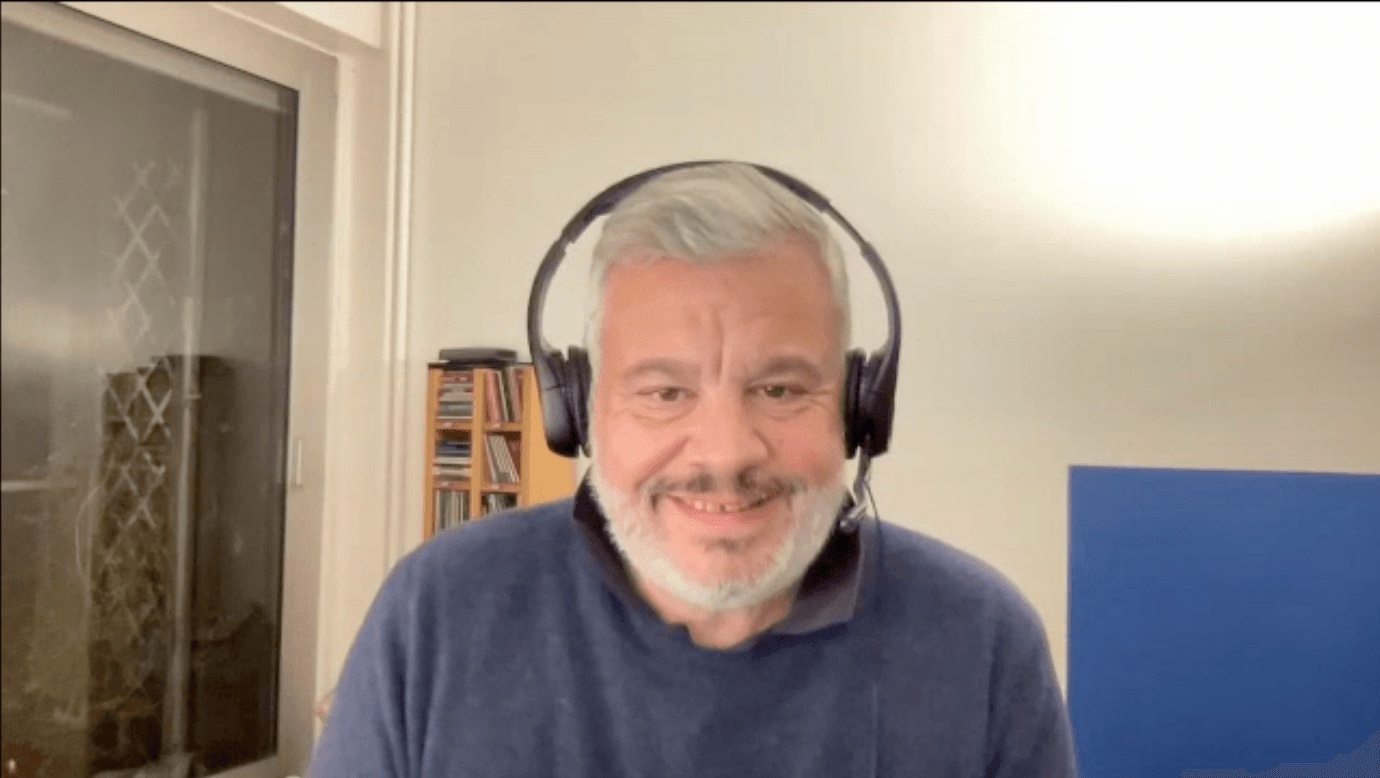
Introduction and Early Interest in Computing
Tristan Nitot introduces himself and shares his early experiences with computers, beginning with a TRS-80 in rural Normandy. He describes his fascination with programming in BASIC and how it set him apart as a child.
The Centre Mondial Informatique and Early Community
Nitot recounts moving to Paris and discovering the Centre Mondial Informatique, a hub for computing enthusiasts. He describes learning Logo, hacking terminals, and meeting Richard Stallman. The center became an incubator for future IT professionals in France.
Early Encounters with Free Software
Nitot reflects on his early understanding of software sharing, distinguishing between legality and technical feasibility. He admits he didn't initially grasp the significance of free software but later recognized its importance.
Discovering the Web and Joining Netscape
In 1996, Nitot creates his first website, inspired by the rise of personal homepages. He applies for a job at Netscape and, despite delays due to a hiring freeze, joins the company in 1997 as an evangelist for the web.
Open Source and the Birth of Mozilla
Nitot explains how Netscape's decision to release its browser code as open source in 1998 led to the Mozilla project. He contrasts the open-source philosophy with free software, highlighting the business-friendly approach advocated by Eric Raymond.
Challenges of Open Source Adoption
Nitot describes the difficulty of explaining open source to businesses and customers in France. He recalls skepticism about the benefits of opening the source code and the technical challenges of making it work.
The Web and Collaboration through Bugzilla
The web transformed how developers collaborated. Nitot discusses Bugzilla as an early issue tracker that allowed anyone to contribute, democratizing software development.
Struggles with Netscape and AOL Acquisition
Netscape's open-source efforts were hampered by technical debt, incomplete code releases, and AOL's acquisition. Nitot describes how AOL's disinterest in Mozilla and its eventual legal settlement with Microsoft led to massive layoffs.
The Creation of the Mozilla Foundation
After AOL abandoned Mozilla, the Mozilla Foundation was formed in 2003 with limited resources. Nitot recalls the uncertainty and challenges but notes that independence from AOL ultimately strengthened the project.
The Emergence of Firefox and the Fight for Simplicity
Nitot explains the internal debates within Mozilla about product simplicity versus community contributions. The Firefox project emerged as a streamlined browser, but it initially faced resistance from the open-source community.
Extensions and Firefox’s Breakthrough
The introduction of extensions in Firefox helped bridge the gap between customization and simplicity. This decision became a key factor in Firefox’s long-term success and influenced all modern browsers.
Building Mozilla Europe and Firefox’s Growth
After being laid off, Nitot and others worked to establish Mozilla Europe, ensuring Firefox’s adoption across different languages and cultures. The browser's rapid success was fueled by frustration with Internet Explorer.
Firefox Goes Viral
The grassroots campaign "Spread Firefox" helped Firefox gain traction. Nitot describes how developers and users rallied behind it, making it a viral success story and a major challenge to Microsoft.
The Power of Open Source: A Key Demo
Nitot recalls a pivotal moment when he demonstrated Gecko’s performance advantages over Netscape Communicator, exciting developers and reinforcing his commitment to Mozilla.
The Importance of Free Software for Society
Nitot reflects on how software has become essential in daily life and argues that free software is necessary to ensure individual freedom and control over technology.
Closing Thoughts on Open Source
Nitot expresses his continued belief in open source, despite its challenges. He thanks the interviewer and reflects on his journey from early computing to shaping the web.

Lawrence (Larry) Rosen
Introduction and Background
Karen Herman introduces the interview with Larry Rosen for the Free Stories Digital Archives Foundation. Larry shares his birth details, mentioning he was born in New York City on June 29, 1945.
Childhood and Education
Larry describes his upbringing in Colorado after his family moved for his father's health. He discusses his early education in Thornton, Colorado, and later attending Dartmouth College, where he studied English and computer science.
Graduate Studies and Early Career
Larry talks about his time at the University of North Carolina at Chapel Hill, his dissatisfaction with the program, and his decision to leave. He moves to New York City and takes his first programming job, working on astrology software before joining RCA to develop database systems.
Career in the Tech Industry
Larry describes his transition from RCA to Memorex in California, where his job was unexpectedly cut upon arrival. He later finds work at ROLM, a telecommunications company, which is later acquired by IBM, and then Siemens. He discusses the challenges of corporate culture and bureaucracy.
Transition to Law and Open Source
Larry shares his motivation for studying law at Santa Clara University while working at Stanford. He details his growing interest in open source licensing and his introduction to the Open Source Initiative (OSI), where he contributed his expertise in both law and software development.
Interactions with Richard Stallman and OSI
Larry recounts his interactions with Richard Stallman, his critiques of the GNU General Public License (GPL), and ideological differences between the Free Software Foundation and OSI. He describes the challenges of reconciling open source philosophies with commercial interests.
Open Source Licensing and Philosophy
Larry explains the differences between OSI and the Free Software Foundation's licensing approaches. He discusses the balance between openness and commercialization in open source software, and his concerns with the proliferation of licenses.
Writing and Advocacy in Open Source
Larry talks about writing his book on open source licensing, aiming to clarify legal principles for developers. He reflects on the impact of his book, industry reception, and his advocacy efforts to bridge gaps between different open source philosophies.
Reflections on Open Source and Legacy
Larry reflects on his career in law and technology, his litigation work, and his role in shaping open source policy. He discusses the success of open source and its expansion into other fields like scientific research.
Personal Interests and Future Perspectives
Larry shares his current interests in physics, cosmology, and science. He discusses how open source principles have influenced other fields and expresses his excitement about the future of technology and knowledge sharing.
Message to Future Generations
Larry offers advice to future generations, emphasizing the importance of innovation, service, and standing on the shoulders of those who came before. He reflects on a meaningful encounter with a young conference attendee and hopes for a bright future in open source.
Conclusion
Karen Herman thanks Larry for his insights and contributions. Larry expresses gratitude for the opportunity to share his thoughts and experiences.
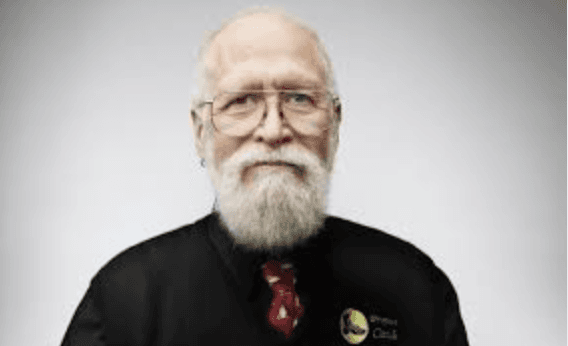
Jon "Maddog" Hall
Introduction and Background
Elisabetta Mori introduces the Free and Open Source Stories Digital Archive (FOSSDA) and welcomes John "Maddog" Hall. She provides an overview of his extensive career in programming, system design, technical marketing, and leadership roles in open-source initiatives. Maddog expresses his gratitude for participating and shares his birthplace and historical context of his early years.
Early Life and Influences
Maddog describes his parents' backgrounds, his sibling, and his childhood interests. His father, an airplane mechanic, introduced him to technical magazines that fueled his fascination with electronics. He recounts his high school experiences in electronics shops, where he learned to build and repair radios and TVs, shaping his interest in technology.
University and Early Work at Western Electric
Maddog attends Drexel University to study electrical engineering. He explains the cooperative education model, which allowed him to work at Western Electric Corporation, where he was exposed to large-scale manufacturing. During his first co-op cycle, he learns programming on an IBM 1130, marking his entry into computing.
First Programming Experiences and Transition to Computing
Maddog discusses his early programming experiences in 1969, writing engineering-oriented programs in machine language on the IBM 1130. He describes how his growing interest in computing led him to switch from a purely engineering curriculum to a hybrid of engineering and business, eventually graduating in 1973.
Aetna Life and Casualty: Mainframes and Early Software Development
Maddog begins working at Aetna Life and Casualty in Hartford, Connecticut, programming IBM 360 and 370 mainframes. He describes the massive computing infrastructure at Aetna, their reliance on IBM systems, and the strict software licensing practices of the time.
Earning a Master's in Computer Science at Night
While working at Aetna, Maddog pursues a master's degree at Rensselaer Polytechnic Institute's Hartford Graduate Center. He studies structured programming, relational databases, and software engineering, gaining exposure to industry pioneers. He also discusses the software licensing landscape before software patents were established.
Transition to Teaching at Hartford State Technical College
Maddog fulfills a long-held ambition to teach by taking a position at Hartford State Technical College. He discusses the hands-on computer science curriculum and how students, many of whom had never used a computer before, learned programming and system design. He enjoys teaching but faces financial constraints.
The Origin of "Maddog"
Maddog explains how he got his nickname, which stemmed from heated arguments with the dean of instruction at Hartford State Technical College. The name stuck, contrasting with his later reputation as a friendly and kind storyteller.
Moving to Bell Labs and the World of UNIX
Maddog transitions to Bell Labs, initially offered a role as a systems administrator for a Cyber 720. He insists on working with UNIX instead, recognizing its growing importance. Despite initial hesitation from Bell Labs, he secures the UNIX systems administrator role and deepens his expertise.
Joining Digital Equipment Corporation (DEC) and UNIX Growth
In 1983, Maddog joins DEC, which was starting a new UNIX group. He describes the competition between proprietary operating systems and UNIX, as well as the growing interest in binary-only UNIX distributions. He also highlights DEC's role in shaping modern computing.
Encountering Linux and Supporting Linus Torvalds
In 1994, Maddog meets Linus Torvalds at a DECUS event and immediately recognizes Linux's potential. He arranges for DEC to send Linus an Alpha processor, accelerating Linux's expansion to a 64-bit architecture. He describes the early days of Linux and its rapid growth.
Linux’s Commercialization and the Formation of Linux International
Maddog joins Linux International, a non-profit advocating for Linux's commercial adoption. He helps defend the Linux trademark, establish the Linux Standard Base, and promote Linux at major industry events like Comdex and CBIT.
Consulting for Governments and the United Nations
Maddog discusses his consulting work for governments, including Malaysia, China, and Cuba, advocating for open-source software to reduce dependence on foreign technology. He emphasizes the economic and strategic advantages of free software.
Board Chair Role at Linux Professional Institute
As board chair of the Linux Professional Institute, Maddog oversees policies related to certification, diversity, and inclusion. He discusses LPI's efforts to ensure fair representation and professionalization in the open-source community.
Coming Out and Advocating for LGBTQ+ Rights
Maddog publicly comes out in a 2012 article honoring Alan Turing. He describes his involvement in marriage equality efforts and the discrimination LGBTQ+ individuals face. He later marries his husband, Uku, and continues advocating for inclusivity.
Caninos Loucos: Open Hardware in Brazil
Maddog discusses Caninos Loucos, a Brazilian initiative producing open hardware, including the Labrador and Pulga computers. He explains the economic challenges of importing technology to Brazil and the benefits of local manufacturing.
Project Cauã: Empowering Students Through Open Source
Project Cauã trains students to start small businesses providing IT services. This initiative enables low-income students to afford university education while promoting free and open-source software.
Future Challenges and Opportunities for Open Source
Maddog discusses the future of open-source software, highlighting security concerns, RISC-V architecture, and artificial intelligence. He contrasts software freedom with "software slavery" and emphasizes the importance of user control.
Memories of Grace Hopper and Maurice Wilkes
Maddog shares stories of meeting computing pioneers Grace Hopper and Maurice Wilkes. He reflects on their contributions to programming and computing, emphasizing their lasting influence on the industry.
Conclusion and Final Thoughts
Maddog reflects on his career, achievements, and the importance of open-source software. Elisabetta thanks him for the interview, and he expresses willingness to continue the discussion in the future.

Tony Wasserman
Introduction and Early Academic Pursuits
Bryan Behrenshausen interviews Tony Wasserman for the FOSSDA project. Tony discusses his academic background, including his studies in math and physics at UC Berkeley and his transition to computing. He also details his graduate studies at the University of Wisconsin, Madison, where he focused on artificial intelligence.
Discovering a Passion for Computing
Tony reflects on his natural aptitude for mathematics and physics and his eventual realization that he was more skilled at programming. He describes early experiences with computing, his dissertation work in AI, and the significance of human-computer interaction.
Early Encounters with Open Source Concepts
Tony discusses his early exposure to software sharing through IBM Share and Guide and his involvement with UNIX at UC Berkeley. He explains how the Berkeley Software Distribution (BSD) license influenced open source practices before the term "open source" existed.
Founding an Early Software Company
Tony describes his transition from academia to entrepreneurship, founding Interactive Development Environments (IDE) and creating one of the first software products to include open source components. He discusses early software industry trends and IDE’s role in commercial software.
The Emergence of "Open Source" as a Term
Tony recounts the transition from "free software" to "open source" and his awareness of Richard Stallman’s work. He describes the early days of open source business models and how companies like Sun Microsystems, Red Hat, and MySQL helped shape the movement.
Evaluating and Adopting Open Source Software
Tony discusses his research on open source software adoption, the challenges of evaluating business-ready open source solutions, and his work on the Business Readiness Rating. He reflects on how companies gradually embraced open source, particularly after the 2008 financial crisis.
The Future Challenges of Open Source
Tony examines the long-term coexistence of proprietary and open source software, challenges in mobile computing, and the difficulties of monetizing open source. He considers whether open source depends on altruism and discusses the broader implications for the software industry.
Reflections on Startups and Open Source Growth
Tony shares insights from his work with startups, the difficulty of predicting successful ventures, and his involvement with Berkeley’s Skydeck accelerator. He reflects on the evolution of open source, entrepreneurship, and software development.
Closing Thoughts and Reflections
Tony and Bryan wrap up the interview, discussing the importance of preserving open source history. Tony reflects on his contributions and expresses interest in seeing the final version of the interview.

Joshua Gay
Early Life and Education
Joshua Gay shares about his childhood in Hingham, Massachusetts, his large family, his early curiosity, entrepreneurial spirit, and unconventional path through school, including early jobs and unique learning style.
Early Interests: Poetry and Programming
Joshua discusses his teenage passion for poetry and how a friend's interest in Linux and calculator programming introduced him to computing. He also talks about early HTML and graphic design projects in high school.
Finding a Career Path
Joshua initially aspired to be a millionaire and studied investing. After struggling academically, he strategically entered college as a computer science major to improve his acceptance chances, eventually discovering a passion and aptitude for programming.
First Industry Experience
Joshua describes working at a startup called Super Wings, engaging in R&D, and dealing with proprietary software challenges. The experience deepened his interest in free software and sparked early philosophical reflections.
Embracing Free Software and Collaborating with Stallman
After Super Wings collapsed, Joshua fully committed to free software. He corresponded with Richard Stallman, leading to the creation of the book "Free Software, Free Society," gaining deep exposure to the GNU philosophy and community.
Philosophy of Free Software and New Applications
Joshua reflects on learning the free software philosophy, its practical applications, and its broader societal implications. He discusses connecting with Lawrence Lessig and applying free software principles beyond code.
The Free Textbook Project
Joshua shares the origins and goals of his Free Textbook Project, aimed at creating modular, open-licensed educational materials. Though the project didn’t launch fully, it led to his involvement with similar efforts.
Textbook Revolution
Building on his interest in open education, Joshua takes over the Textbook Revolution blog, compiling and promoting free textbooks and educational resources, creating an influential online hub for open learning.
Post-College Path and Publishing Work
After college, Joshua moves to NYC, pursues jobs in publishing and software, and attempts to pitch open textbook ideas. He joins small publishing and software firms, continuing his advocacy for open source.
Early Programming Jobs and Challenges
Joshua recounts technical work at Harris Corporation, where he introduced Python scripts to improve old systems, and how those experiences inspired further pursuit of computer science research and open source.
Grad School and the Commons Development Foundation
Joshua and his wife attend the University of Oklahoma. He starts the Commons Development Foundation, explores civic tech tools, and begins laying the groundwork for LibrePlanet and other open collaboration efforts.
Launching LibrePlanet and Joining FSF
Joshua proposes and launches LibrePlanet while also organizing hackathons and working on free textbook proposals. He joins the Free Software Foundation (FSF) as a campaigns manager.
Working at the Free Software Foundation
Joshua describes FSF’s internal structure, its shift from CD sales to membership models, and how unionization helped define work boundaries, particularly regarding interactions with Richard Stallman.
Campaigning and Consumer Awareness
Joshua talks about his role in building FSF’s campaigns team, raising awareness about software freedom, and how digital rights conversations evolved to be more mainstream and relatable.
Respect Your Freedom and Supporting Developers
Joshua details launching FSF’s hardware certification program, supporting developers, and the broader goal of fostering ethical hardware businesses that align with free software principles.
Joining CK12 Foundation and Scaling Open Education
Joshua joins CK12 Foundation to build a platform for open, customizable K-12 textbooks. He bridges technical and editorial teams and supports the adoption of free educational resources in schools.
Mozilla, Open Badges, and Peer-to-Peer Learning
After CK12, Joshua works with Mozilla and Peer2Peer University on Open Badges, metadata standards, and open learning pathways. He helps connect informal learning to formal recognition.
Licensing and Compliance at FSF
Returning to FSF, Joshua manages licensing and compliance, helping individuals and organizations navigate GPL and advocating for license compatibility, influencing standards and policy.
Bridging Standards and Free Software
Joshua works on licensing compatibility with Creative Commons, microformats in HTML5, and other initiatives that connect software freedom to global infrastructure and digital policy.
Transition to IEEE and Standards Work
Joshua leaves FSF to join the IEEE Standards Association, where he brings free software principles into standards development. His unique background positions him to support both open source and global standardization.
IEEE’s Mission and Culture
Joshua explains IEEE’s mission to promote technology for humanity, its history, and its passionate global volunteer community. He reflects on how IEEE aligns with his values and long-term goals.
How the Community Has Changed
Joshua reflects on the legitimacy and acceptance of free and open source software, noting a major shift from skepticism to widespread understanding and integration into society and business.
Open Source 2.0 and Broader Adoption
He discusses the broader adoption of open source principles in academic and institutional contexts, and how the community now tackles large-scale societal challenges like climate change.
A Message to Future Generations
Joshua shares heartfelt reflections for future generations, emphasizing the importance of community, collaboration, and staying grounded in humanity while solving technical problems.
Final Reflections and Gratitude
Joshua expresses gratitude for the opportunity to share his story, reflects on the community’s importance in his career, and appreciates the Free and Open Source Stories project.
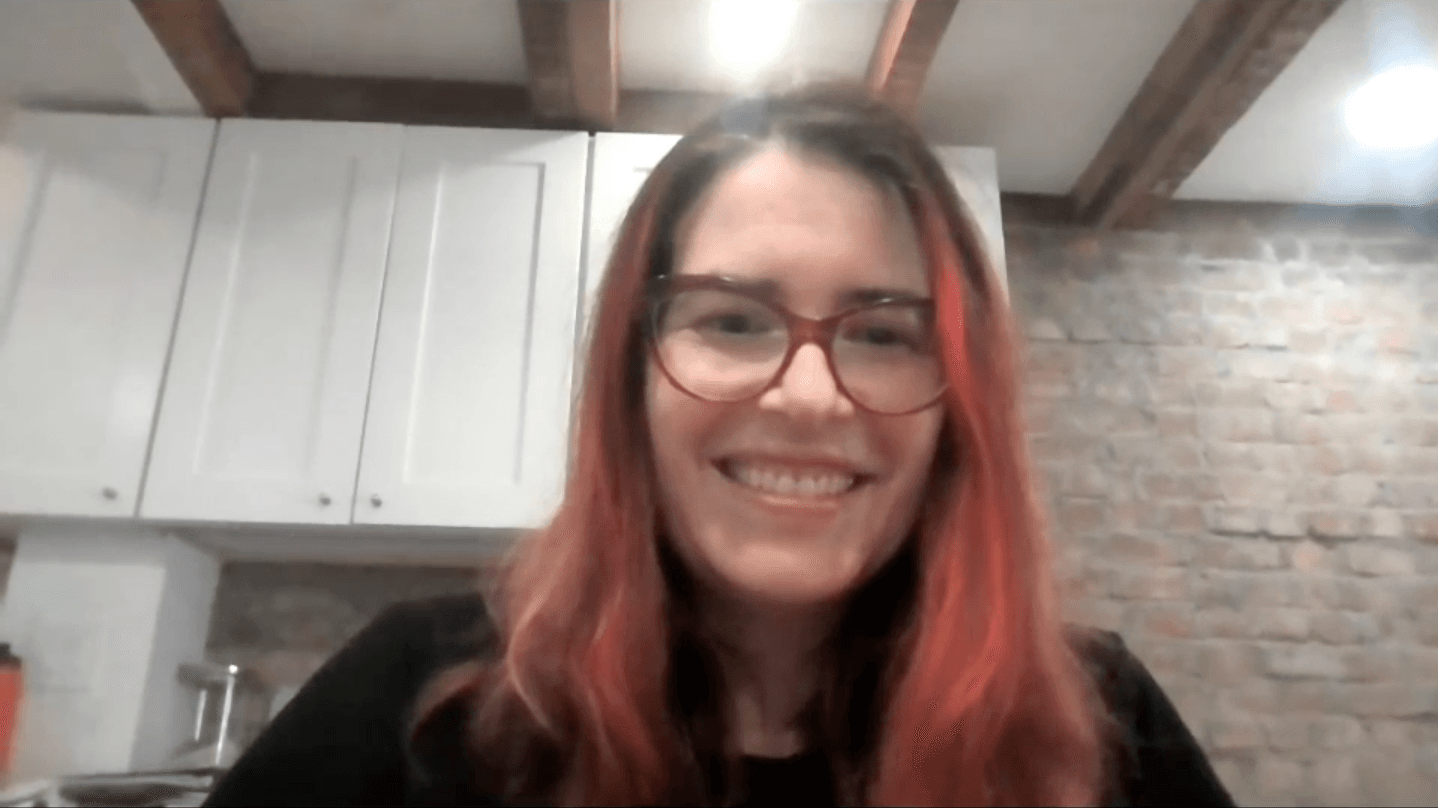
Karen Sandler
Introduction and Early Childhood
Karen Sandler introduces herself and reflects on her upbringing in a family that valued education and learning. Her early exposure to computers came from her father, an engineer, and she recalls using punch cards, writing her first code as a child, and her fascination with computers from a very young age.
Educational Journey and Cooper Union Experience
Karen describes her path through public schooling and her transformative undergraduate experience at Cooper Union, a tuition-free school. She discusses how the school’s mission shaped her values, her early experiences with sexism in tech spaces, and how she gained technical experience by working in the computer center.
Law School and Corporate Legal Career
Karen talks about her decision to attend Columbia Law School, influenced by family pressure. She details her time in corporate law in London and New York, her eventual disillusionment with corporate work, and how that led her to transition to public interest work.
Joining the Software Freedom Law Center
Karen joins the Software Freedom Law Center, reconnecting with her law professor Eben Moglen. She shares stories about working with open source developers and her deepening philosophical commitment to software freedom.
Medical Device Advocacy and Personal Experience as a Cyborg
Karen recounts her discovery of a heart condition and receiving a pacemaker-defibrillator. Her inability to access the device’s software inspired her advocacy for transparency, auditability, and control in medical device software.
Evolving Concerns: Control and Access to Critical Software
Karen discusses subsequent experiences with her defibrillator, including complications during pregnancy and the inability to access her device's data. She reflects on broader implications for software in all critical systems and how her experiences exemplify societal risks.
Outreachy and Transition to Software Freedom Conservancy
Karen details her involvement in launching and expanding Outreachy, a program aimed at supporting marginalized people in tech. She explains how Outreachy moved to Software Freedom Conservancy, where she eventually became executive director.
Recognition and Honorary Doctorate
Karen reflects on receiving several prestigious awards, especially the honorary doctorate from KU Leuven. She emphasizes the significance of student recognition and how it affirms the importance of software freedom to the next generation.
Future of Technology and Hopes for Change
Karen shares her thoughts on current trends in tech, including positive shifts in awareness around software freedom, regulation, and youth-led change. She also warns about funding cuts and corporate co-optation of open source.
Final Reflections and Call to Action
Karen urges people to donate, speak up, and engage in advocacy for software freedom and systemic equity. She hopes future generations will have solved many of today’s issues and calls for immediate collective action.
On Being a DJ and Closing Remarks
In a lighthearted conclusion, Karen is asked about her DJing hobby. She shares that she may still DJ occasionally and reflects on the fun of that experience. The interview closes with mutual thanks.
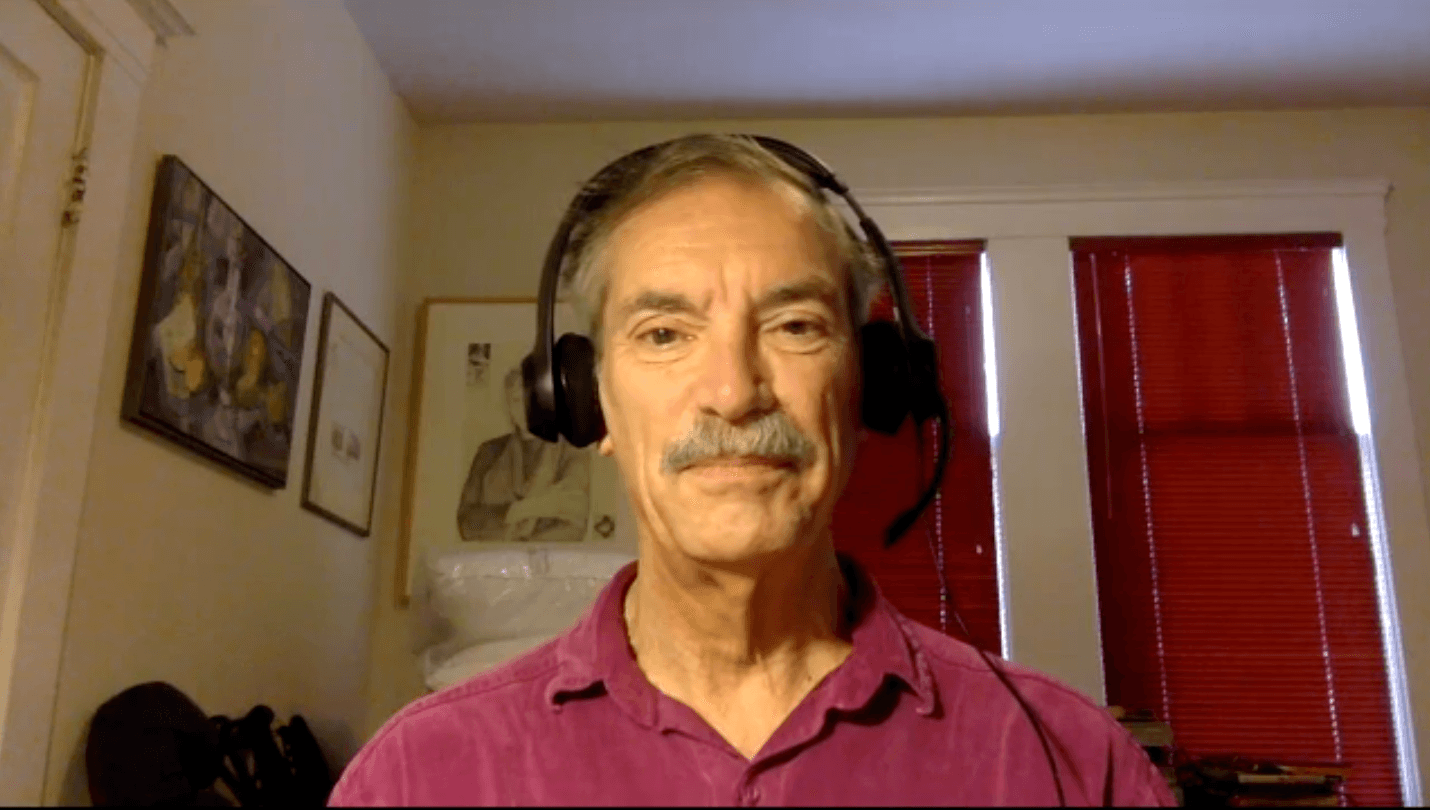
Kirk McKusick
Introduction and Background
Elisabetta Mori introduces Marshall Kirk McKusick, a computer scientist known for his extensive work on BSD Unix and FreeBSD. McKusick shares details about his early life in Wilmington, Delaware, where his father worked for DuPont and his mother was a pediatrician who was part of the first class of women admitted to Harvard Medical School.
Education and Growing Up
McKusick discusses his education at Wilmington Friends School (a Quaker school), his participation in anti-Vietnam War protests, and his early realization of his attraction to men. He describes how the school environment was supportive despite this being before the gay rights movement.
Siblings and Family
McKusick describes his siblings: a brother who became an English professor and eventually a dean at the University of Missouri, and a sister who combined biology and computer science expertise to work on the Human Genome Project and later in drug development startups.
College Education and Early Career
McKusick explains his choice to study electrical engineering at Cornell since they didn't offer a computer science undergraduate degree. He discusses his transition to UC Berkeley for graduate studies, where he received a master's in computer science, an MBA, and a PhD.
Berkeley and Meeting Bill Joy
McKusick recounts his decision to attend Berkeley for graduate school and sharing an office with Bill Joy. He describes Joy as exceptionally fast at coding, creating programs like the VI editor and C-shell, though the code was often difficult to modify.
Berkeley Software Distribution Project
McKusick explains how Bill Joy created the Berkeley Software Distribution (BSD), initially just consisting of utilities Joy had written. McKusick discusses his own contributions, including a Graphical Profiler (GPROF), and how BSD evolved to include more utilities and eventually support for VAX machines.
The Fast File System Project
McKusick describes how he began working on the file system when he needed summer funding, and what started as a small project turned into an 18-month endeavor. This fast file system became one of his most significant contributions and was used by companies like Netflix until recently.
Business Education and Administrative Skills
McKusick explains how he earned a Master's in Business Administration by helping the dean of the business school with computing issues. He describes how this education, particularly in entrepreneurship, proved valuable in his later dealings with startup companies.
Transition to Leading BSD
McKusick discusses finishing his PhD in 1984 and taking over the Berkeley Software Distribution project in 1985 as a research computer scientist. He outlines his major contributions including the Pascal compiler and the fast file system, which is still in use today.
Bill Joy and Sun Microsystems
McKusick recounts his interactions with Bill Joy as Joy was founding Sun Microsystems. McKusick declined to join as an early employee but did consulting work for Sun, receiving stock that later became valuable when Sun became successful.
Collaborative Development Model
McKusick describes how BSD development relied on contributions from multiple sites, with hundreds of people contributing code. He explains the code review process and how the team would examine all changes between distributions line by line.
Making BSD Open Source
McKusick details the complex legal battle with AT&T that ultimately led to the creation of open-source BSD. He explains how they first released TCP/IP networking code, then systematically replaced AT&T code in the kernel, finally leading to a fully open-source system.
Legal Depositions and Settlement
McKusick describes his experience giving depositions during the AT&T lawsuit, the discovery that AT&T had removed BSD copyright notices from code they had incorporated, and how this led to a settlement that ultimately benefited the BSD project.
FreeBSD Project Origins
McKusick explains how after the AT&T settlement, the BSD code split into different projects: NetBSD (focusing on multiple architectures), FreeBSD (focusing on the Intel architecture and user-friendliness), and later OpenBSD (focusing on security).
Major Technical Contributions
McKusick details his significant technical contributions to BSD and FreeBSD, including the fast file system, VM system improvements, support for multiple file systems, NFS integration, and soft updates to improve disk throughput.
Social Structure in FreeBSD
McKusick describes how he helped establish FreeBSD's governance structure with an elected core group, creating a sustainable leadership model that allows for leadership transitions unlike projects that depend on a single leader.
The BSD Daemon Mascot
McKusick recounts how the BSD daemon mascot was created by Disney animator John Lasseter (later of Pixar) during a sabbatical at Lucasfilm. McKusick paid Lasseter for the work and retained copyright to control its use.
Personal Life and Relationship
McKusick discusses meeting his partner, Eric Allman, in 1979 and their progression from dating to domestic partnership to marriage. He describes their various anniversary dates and how they navigated changing laws regarding same-sex relationships.
Working at Hughes Aircraft and Security Clearance
McKusick describes working at Hughes Aircraft and the process of obtaining a security clearance as a gay person during the Carter administration, which required him to publicly declare his homosexuality in a newspaper ad to prove he couldn't be blackmailed.
Raising Children
McKusick explains how he and his husband found a way to be involved in raising children by having friends' children stay with them during summers, taking them on international trips, and forming relationships that continued into adulthood.
Eric Allman and Sendmail
McKusick describes his husband Eric Allman's creation of Sendmail, a crucial email routing program that handled multiple network types through a complex configuration system and eventually became the foundation for a successful company.
BSD License vs. GPL
McKusick compares the BSD license (which he calls "copy center") with the GPL license (which he calls "copyleft"), explaining how companies using BSD-licensed code often contribute back over time despite not being required to do so.
Career Advice and Reflections
McKusick reflects on his career and offers advice about pursuing interests, making time for travel and experiences while still physically able, and not delaying important life experiences until retirement. He mentions his diagnosis with primary lateral sclerosis which affects his mobility.
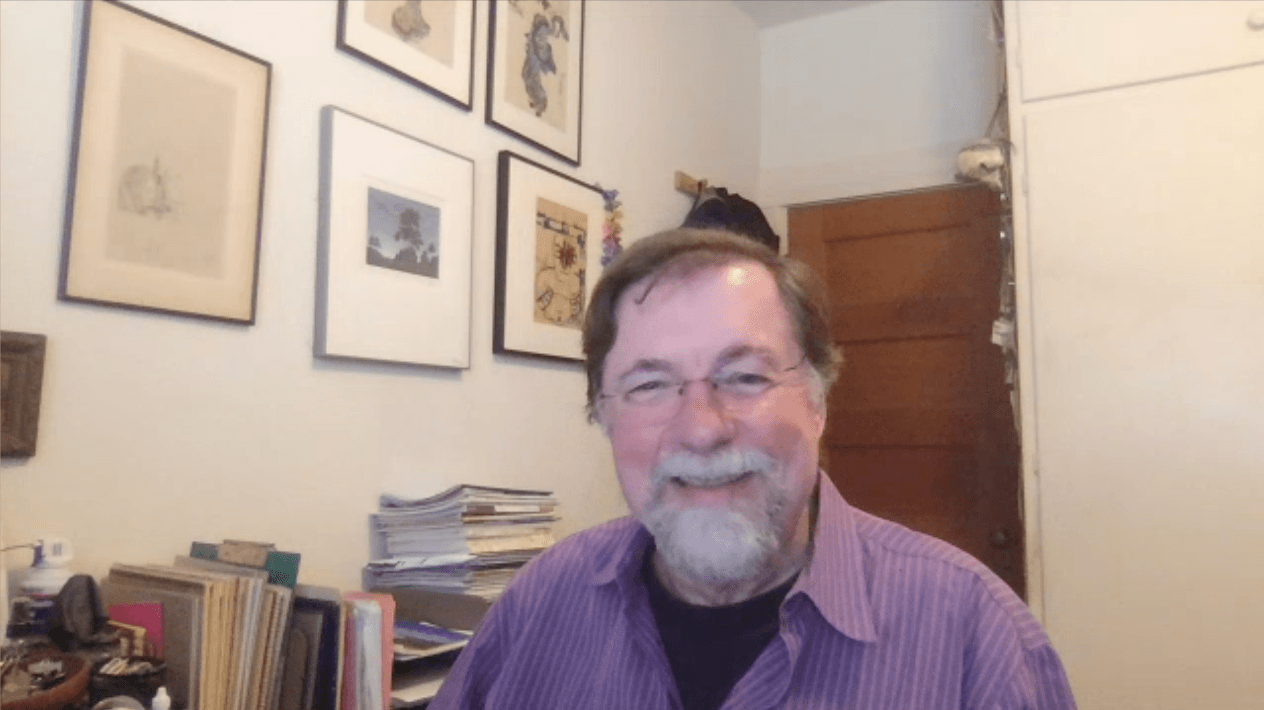
Eric Allman
Introduction and Early Life
Elisabetta Mori introduces the interview with Eric Allman. Eric shares details about his birthplace (Oakland, 1955), early childhood in El Cerrito and Berkeley, and his strong identification with Berkeley.
Family Background
Eric describes his parents' careers—his mother in education and his father in advertising and art criticism—and briefly touches on their divorce. He also talks about his sister Kat's contrasting personality and her later career at Google.
Family Life and Summers in Sebastopol
Eric reflects on his family life, particularly after his parents’ divorce, and shares fond memories of summers spent at his grandparents' rural home in Sebastopol.
School Years and Early Interests
Eric talks about his education through high school, emphasizing his strength in math and science and his unexpected love of theater tech, particularly sound design.
University at UC Berkeley
Eric discusses why he chose UC Berkeley, his academic experiences there, and the impact of realizing his sexuality while still in the closet during high school.
Ingress Project and Unix Exposure
Eric recounts his involvement with the Ingress database project at Berkeley, gaining early exposure to Unix and working in a dynamic research environment that shaped his future.
DeliverMail: A Practical Hack
Eric describes how he created DeliverMail to solve the email bottleneck on Berkeley’s machines, a solution born out of user complaints and technical curiosity.
Working with Eric Schmidt
Eric briefly reflects on working with Eric Schmidt, noting his early ambition and dual background in business and CS, predicting his future executive role.
Origins of Sendmail
Eric tells the story of how he developed Sendmail at Berkeley under Bill Joy’s guidance, as part of the larger effort to build internet infrastructure with DARPA funding.
Syslog: Quietly Revolutionary
Eric discusses the origin and significance of Syslog, a standardized logging utility he created that remains foundational in computing today.
ME Macros and Typesetting
Eric describes creating the ME macros for Unix’s text formatting tools and how they helped countless students format theses, including defeating the feared “Dragon Lady.”
Writing Trek and Meeting Steve Bourne
Eric shares how he rewrote a Star Trek game for Unix, which led to unexpected collaboration with Steve Bourne after Ken Thompson distributed Eric’s files.
Summer at IIASA in Austria
Eric talks about his 1981 summer at IIASA in Austria, building a graphics system in a palace, interacting with Soviet scientists, and reflecting on cultural understanding.
Working at Britton Lee
Eric recounts his time at Britton Lee, a relational database company, his first management role, and developing the graphical ADIT system before realizing the company undervalued software.
Neural Nets and ICSI
Eric discusses his brief tenure at ICSI working on early neural networks and custom hardware, noting how the role was too low-level for his liking but still educational.
Mammoth Project at Berkeley
Returning to Berkeley, Eric led the Mammoth project, which standardized computing infrastructure across the CS department, improving collaboration and research productivity.
InReference: A Misstep
Eric reflects on his disappointing experience at InReference, a poorly managed company with shifting goals and an unsustainable commute from Berkeley to Sunnyvale.
Founding Sendmail Inc.
After leaving InReference, Eric reconnected with Greg Olson and together they co-founded Sendmail Inc. in 1998, with a mission to commercialize and simplify Sendmail.
Running and Growing Sendmail Inc.
Eric shares experiences as CTO of Sendmail Inc., balancing tech and marketing, developing milter and DKIM, and ultimately scaling back after a cancer diagnosis.
Final Job and Return to Research
Eric discusses working with the Swarm Lab at Berkeley after trying to retire, regaining his programming confidence, and returning to meaningful research work.
Internet Hall of Fame
Eric recounts his unexpected induction into the Internet Hall of Fame in 2014, attending the ceremony in Hong Kong, and meeting old colleagues.
Long-Term Involvement with Usenix
Eric reflects on his decades-long involvement with Usenix, from conference attendee to board member and current role on the audit committee.
Publications and Impact
Eric discusses his various publications, including the Sendmail book and his most cited article on technical debt, reflecting on their unexpected impact.
Post-Retirement Activities
After retiring, Eric pursues tech hobbies like a wine inventory system in Python, serves on nonprofit boards, and co-founds a preservation fund for historic buildings.
Coming Out in 1976
Eric shares how coming out of the closet in 1976 dramatically improved his life and relationships, both personally and professionally.
Defiance in the Face of Hate
Eric recalls being targeted by a Christian fundamentalist group and the satisfaction of seeing Sendmail survive while their effort failed.
His Partner, Kirk McKusick
Eric talks about his husband, Kirk McKusick, a Unix file system pioneer, and how they maintain a healthy personal/professional boundary in their relationship.
Motivation Behind Open Source Support
Eric candidly explains that his main motivation for supporting open source is the joy of seeing people use his work and finding satisfaction in usefulness over profit.
What He's Most Proud Of
Eric highlights his coming out, Sendmail, Syslog, and the Mammoth project as major life accomplishments, emphasizing their positive impact over personal accolades.
Career Advice for the Next Generation
Eric encourages following one's passion over chasing money, citing examples like Jim Gray and warning against trendy career fads like jumping into AI just for money.
Closing Remarks
The interview wraps up with warm thanks from Elisabetta and Eric expressing that reminiscing was a pleasure, leaving room for a possible future conversation.
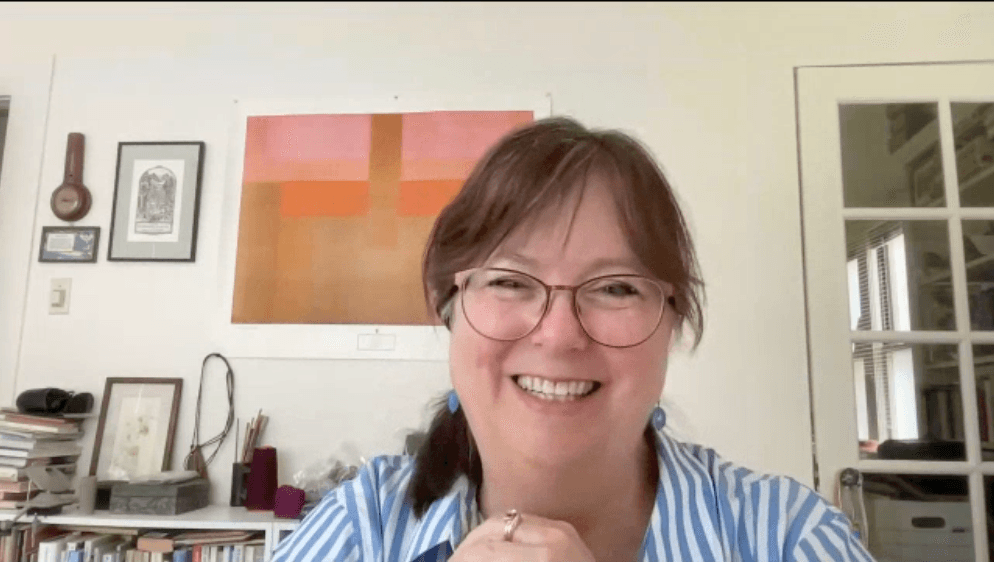
Cat Allman
Introduction and Childhood Influences
Elisabetta Mori introduces the interview and Cat Allman begins by discussing her childhood in Oakland, California, growing up with her brother Eric Allman, and her early exposure to computers through his work. She also talks about studying American Studies at UC Santa Cruz and her first job experiences with technology in advertising.
Early Career and Entry into Free Software
Cat describes her first involvement with free and open source software at Mount Zainu, coordinating conference participation and engaging with the ideals of software freedom. She highlights the collaborative culture at the time and the beginnings of commercial support for Berkeley Unix.
Transition to Graphic Design and IT
After Mount Zainu, Cat worked in the graphic design industry, introducing computing into the design workflow and eventually becoming an IT manager. She reflects on the emergence of personal computers and the shift from paper-based design to digital.
Foundations of FOSS Engagement
Cat reflects on how her experiences with computers, engineering culture, and community building led her into FOSS. She discusses her early exposure to BSD and her eventual role in helping to launch Sendmail Inc., a hybrid open-source company.
Dot-Com Era and Open Source Awareness
Cat recalls attending an early open source conference at Stanford and the dot-com boom’s intersection with open source. She discusses Sendmail Inc.'s media attention and the rising importance of FOSS in enabling the Internet and the World Wide Web.
Passion, Community, and the Power of FOSS
Cat emphasizes the passion within the FOSS community and how that passion has kept her engaged. She reflects on the collective problem-solving spirit of open source and touches on sustainability concerns in the infrastructure.
From Sendmail to USENIX and Google
Cat discusses her transition from Sendmail to USENIX and eventually to Google, detailing the hiring process and her connection to the open source team. She highlights her work on outreach, events, and her path into Google’s OSPO.
Google Summer of Code and Global Outreach
Cat elaborates on her work with Google Summer of Code and Google Code-In, describing their origins, impact, and her global travels promoting FOSS. She reflects on the personal fulfillment and network she built through these programs.
Open Source as Global Connector
Cat discusses the global impact of open source, particularly in under-resourced areas. She highlights the educational and economic benefits, her pride in alternative contributions, and the inclusive community building through SciFoo.
SciFoo and Open Science
Cat explains her work organizing Science Foo Camp and how open science and open source intersect. She emphasizes the importance of community and how digital science initiatives help researchers use FOSS in their work.
Sponsorship, Challenges, and Sustainability
Cat talks about her role funding FOSS projects while at Google and the challenges of sustaining FOSS today. She raises concerns about the erosion of volunteerism, commercial pressure, and the shifting landscape of FLOSS governance.
Concerns About the Future of FOSS
Cat expresses concern over the potential decline of FLOSS due to increasing commercialization and declining volunteer motivation. She critiques corporate behaviors and fears a shift toward digital serfdom in under-resourced regions.
Life After Google
After her departure from Google, Cat continues her work on SciFoo and remains active on several advisory boards. She discusses her roles at the FreeBSD Foundation, IEEE, and her contract work with Digital Science.
Reflections and Career Satisfaction
Cat reflects on her life and career with gratitude, saying she wouldn’t change anything. She emphasizes the joy of being part of a passionate, intelligent community and contributing to something meaningful.
Projects of Pride and Impact
Cat highlights her involvement with Google Summer of Code and WikiEdu as proud achievements, especially projects increasing representation of women in science and expanding access to STEM knowledge.
Diversity in Tech: Progress and Setbacks
Cat discusses the decline in women in computing since the 1980s and the cultural challenges faced. She reflects on her experiences and advocates for continued improvement and inclusion across global contexts.
Advice for the Next Generation
Cat offers advice to aspiring contributors—be brave, stay humble, and persist through imposter syndrome. She shares personal anecdotes about workplace discrimination and progress over time.
Following Your Passions Through Unconventional Paths
Cat ends with an anecdote about hyperbolic crochet and its intersection with science, math, and craft. She encourages people to follow their interests and find joy in their contributions, however untraditional.